

This is a one-skillet shrimp dinner built on butter, garlic, white wine, and lemon — ready in 30 minutes and easy to scale up when you’re feeding more than two people. The shrimp cook in under six minutes total, so the real work is just making the pan sauce. If you need a fast dinner that looks like you put in more effort than you did, this is a reliable choice.
The short version of why this works
Two things make this recipe succeed. First, the shrimp are pulled out of the pan before the sauce is built — this stops them from overcooking while the wine reduces, which takes two to three minutes. Rubbery shrimp almost always come from leaving them in too long, and this step prevents that entirely. Second, the butter goes in two stages: half at the start to cook the garlic and shrimp, and the other half stirred in off high heat at the end. That second addition emulsifies into the reduced wine and lemon juice, giving you a glossy, cohesive sauce instead of a greasy one. Neither step is difficult, but skipping either one shows up immediately in the final dish.
Common problems and fixes
- The sauce breaks and looks greasy: This happens when the butter goes into a pan that’s too hot. Lower the heat before adding the final butter, and stir constantly as it melts in. If it does break, a teaspoon of cold water whisked in quickly can bring it back together.
- Garlic burns before the shrimp go in: Minced garlic goes from fragrant to bitter fast over medium heat. If your burner runs hot, pull the pan off the heat for 15 seconds before adding the shrimp. Burned garlic means starting over — there’s no fixing it in the finished dish.
- Shrimp release too much water and the sauce gets thin: Frozen shrimp that weren’t fully thawed and patted dry are usually the cause. Dry the shrimp with paper towels before they go in the pan. Extra moisture dilutes the sauce and prevents the shrimp from getting any color.
- Doubling the recipe makes the shrimp steam instead of sear: A standard skillet gets crowded fast when you scale up. Cook the shrimp in two batches rather than one, then combine everything when you return them to the sauce. Crowding drops the pan temperature and you lose the quick sear that gives the shrimp good texture.
- The lemon flavor is flat: Bottled lemon juice won’t give you the same brightness as fresh. The zest matters here — skip the garnish parsley if you’re short on time, but don’t skip the zest.
Storage and reheating
Leftover shrimp scampi keeps in the fridge in a sealed container for up to two days. Beyond that, the shrimp texture deteriorates noticeably. Do not freeze it — the shrimp turn mealy and the butter sauce separates on thawing. To reheat, use a skillet over low heat with a splash of water or broth to loosen the sauce, and warm just until the shrimp are heated through, about two minutes. The microwave works in a pinch but tends to overcook the shrimp around the edges; if you use it, go in 30-second intervals at 50% power.
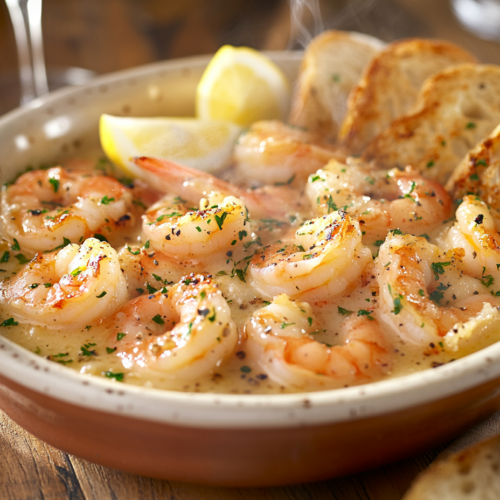
Garlic Butter Shrimp Scampi

Equipment
- 1 Large skillet
- 1 Knife
- 1 Cutting board
- 1 Lemon zester
- 1 Serving dish
Ingredients
Ingredients
- 0.5 cup unsalted butter preferably grass-fed
- 4 cloves garlic minced
- 1 lb large shrimp peeled and deveined
- 0.25 tsp crushed red pepper flakes optional
- 0.5 cup dry white wine such as Sauvignon Blanc
- 1 unit lemon juiced and zested
- 2 tbsp fresh parsley chopped
- 1 pinch salt to taste, seasoning
- 1 pinch ground black pepper to taste, seasoning
- 1 unit Baguette for serving
Instructions
- In a large skillet over medium heat, melt 4 tablespoons (half) of the butter until foamy. Add the minced garlic and sauté for 1-2 minutes until fragrant but not browned.
- Add the shrimp and a pinch of red pepper flakes. Cook the shrimp for about 2-3 minutes per side until they turn pink and opaque. Remove shrimp from the skillet and set aside.
- Pour the white wine into the skillet, using a wooden spoon to scrape up any browned bits from the bottom. Let the wine reduce by half, about 2-3 minutes.
- Lower the heat and stir in the remaining butter, lemon juice, and zest until the butter is fully melted and the sauce is silky.
- Return the shrimp to the skillet, tossing them in the garlic butter sauce. Sprinkle with fresh parsley, and season with salt and pepper to taste.
- Serve immediately with slices of crusty baguette for dipping, garnished with extra parsley if desired.
Notes
Nutrition
FAQ
Can I use pre-cooked shrimp to save time?
It’s not recommended. Pre-cooked shrimp only need to be warmed through, which takes about 30 seconds in the pan — but they overcook almost instantly and turn rubbery before the sauce has time to develop. Raw shrimp give you a much better result and still cook in under six minutes.
How do I scale this up for a dinner party of eight?
Double all the ingredients and use the largest skillet you have, but cook the shrimp in three or four batches rather than all at once. The sauce can be built in full in the pan after all the shrimp are set aside, then you return everything together at the end — this keeps the shrimp from overcrowding and ensures they cook evenly.
What’s the best wine to use, and does the brand matter?
Use any dry white wine you’d be willing to drink — Sauvignon Blanc or Pinot Grigio both work well. The brand doesn’t matter much, but avoid anything labeled ‘cooking wine,’ which contains added salt and can make the sauce taste sharp and one-dimensional.
Can I make the sauce ahead and add shrimp later?
Yes, and it’s a practical move when you’re hosting. Make the garlic butter wine sauce up to an hour ahead and keep it warm on the lowest heat setting. When you’re ready to serve, bring it to a gentle simmer, add the raw shrimp, and cook them fresh — it takes less than six minutes and the sauce will be ready to go.
Try these next
- Perfect Seared Scallops
- Sesame Crusted Ahi Tuna
- Smoky Mediterranean Bean Skillet
- Quick Skillet Garlic Flatbreads